
Traveling to Thailand for vacation cannot be done carelessly, new regulations may result in deportation.

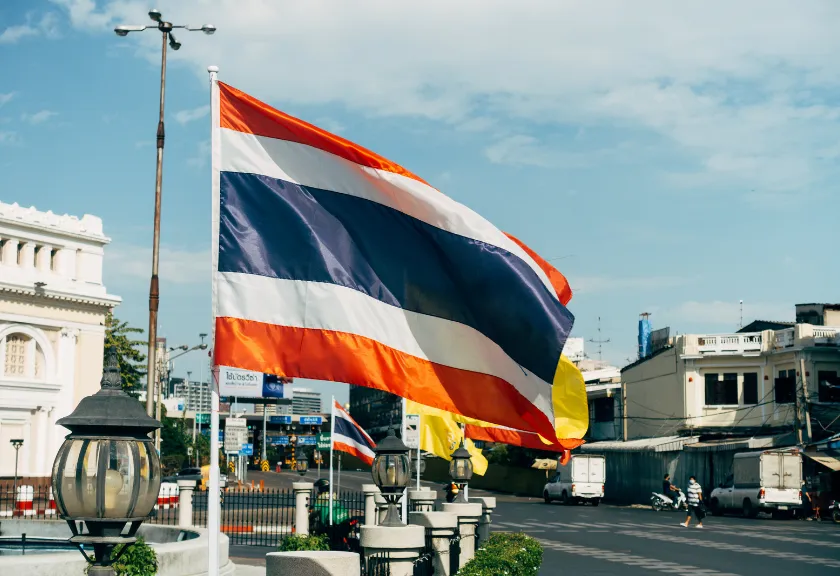
Thailand has entered a new phase in regulating foreign visitors. Long established as one of Southeast Asia's most popular tourist destinations, the country is now tightening deportation protocols for foreign nationals who violate local laws.
This new deportation regulation officially comes into force on 28 August 2026, following its publication in the Royal Gazette. The framework establishes clear formal procedures for Thai authorities to handle foreign individuals found to have broken the law or engaged in acts that disrupt public order.
For travellers, this policy serves as a reminder: Thailand's popularity as a holiday destination does not grant foreign visitors free rein to act as they please while within the country's borders.
READ ALSO
Indonesia's Neighbouring Countries Seek Solutions for Tourist Medical Bills, Mandatory Insurance Becomes an Option
7 Must-Visit Famous Tourist Attractions in Chonburi Thailand, Number 5 Will Amaze You
Neighbouring Countries That Can Be Budget Holiday Options for Indonesian Travellers
"Foreign tourists or workers who violate the law and cause problems will be required to leave Thailand," Thai Tourism Minister Surasak Phancharoenworakul stated in a late Thursday social media post, as cited by AFP.
This updated regulation is not designed to restrict law-abiding, legally arriving visitors. Thai authorities have confirmed that the country continues to welcome tourists, foreign workers and residents who conduct their activities in full compliance with applicable rules.
Instead, the government is seeking to expedite processing for foreign nationals who are confirmed to have committed violations.
According to official statements, the new rules cover a wide range of offences: illegal entry or overstaying, unauthorised employment, operating business activities prohibited for foreign nationals, and the creation or use of forged official documents.
Additionally, foreign nationals charged with criminal offences carrying a minimum prison sentence of five years will fall under this deportation mechanism. This also applies to principal offenders, instigators, and parties found to have assisted in covered violations.
This is not an introduction of deportation rules themselves - what has changed is the implementation process. Thai authorities have stated that cross-agency coordination will be formalised and clarified, allowing for faster repatriation of foreign nationals once they have completed their sentences.
"Thailand maintains policies to welcome foreign nationals to travel, work and conduct business here. However, it has been observed that some foreign residents do not act in accordance with our laws," reads the official regulation text published in the Royal Gazette.
The government has also used the term 'low quality' to describe foreign individuals found to be disrupting public order, a classification that follows increased official scrutiny of a series of high profile incidents involving foreign nationals.
Updated Entry Requirements For Thailand
For travellers planning visits to Bangkok, Phuket, Chiang Mai, Krabi, Pattaya or any other Thai destination, this policy shift should be understood as part of a broader ongoing trend.
Thailand has already rolled out major changes to its visa exemption schemes earlier this year. In May 2026, authorities approved the termination of the 60-day visa free entry program that previously applied to 93 countries and territories.
Under the revised framework, visa exemption and Visa on Arrival categories have been restructured. Nationals of selected countries will be granted 30 day visa free stays for tourism, while visitors from other eligible nations will receive 15 day entry permissions.
Thai officials explained that these adjustments were made on the basis of national security, economic and tourism priorities, international relations, and efforts to prevent misuse of visa privileges.
This means travellers bound for Thailand must now carefully verify current entry rules specific to their nationality and travel purpose. Outdated information about visa exemptions should not be relied upon, as Thailand's immigration policies are currently undergoing active revision.
This crackdown on foreign nationals did not emerge without precedent.
Thai authorities had previously drawn public attention to a series of incidents involving foreign visitors, including alleged drug offences, sex trafficking, and unlicensed business operations. Cases have also been recorded of foreign nationals operating hotels, schools and other establishments without meeting required legal requirements.
Public concern intensified in July after viral footage emerged of a group of Italian students causing disruption and behaving disrespectfully on a Bangkok commuter train, an incident that resulted in an official apology from the Italian Embassy.
Earlier in May, Thai authorities deported a Spanish and a Peruvian national after the pair were caught engaging in sexual activity in a public space, an act classified as public indecency under Thai law.
For travellers, these cases carry a straightforward lesson: local laws apply equally to everyone, including people on holiday.
Behaviour considered normal or acceptable in one's home country may not be permitted in Thailand. For this reason, visitors are advised that alongside preparing flights, accommodation, itineraries and travel funds, they should also research and understand local regulations before departure.
Thailand Balances Tourism Protection And Public Order
Tightening oversight of foreign visitors presents a delicate balancing act for Thailand. While the government is prioritising public safety, order and legal compliance, the tourism sector remains one of the most critical pillars of the national economy.
Tourism accounts for approximately 13% of Thailand's gross domestic product. For 2026, authorities have set a target of 33.5 million international visitor arrivals, a modest increase on the nearly 33 million arrivals recorded in 2025.
As of the latest available data however, year to date visitor arrivals are running approximately 3% behind figures for the same period the previous year.
This context means authorities must proceed with caution. While consistent law enforcement is necessary, overly restrictive policies risk damaging Thailand's international reputation as a welcoming tourist destination.
Accordingly, this latest policy direction is not intended to close Thailand's borders to international visitors. Instead, it establishes clear boundaries between genuine tourists travelling for leisure, and foreign individuals who misuse entry privileges or violate local law.
What This Means For Indonesian Travellers
For Indonesian visitors, these new rules are no reason to remove Thailand from travel plans. Bangkok, Chiang Mai, Phuket, Krabi and the country's southern island regions remain attractive, highly popular travel destinations.
That said, travellers should take care to observe basic important guidelines:
First, never overstay the validity period of your entry permission. Overstaying is treated as a serious immigration offence.
Second, do not undertake work or business operations while on a tourist visit status, unless you have obtained the required specific authorisation.
Third, never carry, create or use forged official documents, and avoid all involvement in illegal activity.
Fourth, familiarise yourself with local etiquette and public space regulations. Thailand has distinct cultural norms and local rules that all visitors are expected to respect.
Fifth, always verify the latest official visa requirements before departure. Multiple changes to Thailand's visa policies have been implemented during 2026, so guidance found in old travel articles or forum posts may no longer be accurate.
Ultimately, Thailand's message to international visitors is very simple: come as a guest, enjoy the country's culture and natural beauty, but always respect the law.
With deportation procedures now formalised, streamlined and clearly defined, status as a foreign tourist does not place anyone outside the reach of Thai law.










Belum ada komentar. Jadilah yang pertama!